View All Destinations
View All Trekking & Climbing
View All Safaris
Make Your Moment
FAQS
Whether you're preparing for your first safari, planning a Kilimanjaro climb, or choosing your next adventure, we've answered the questions travelers ask most.
Start Planning Your Journey
Private, tailor-made treks and safaris make up the vast majority of our work. We specialize in custom-designed itineraries for individuals, couples, families, or private groups, where the pace, schedule, and difficulty are fully adapted to your preferences. Open group departures with strangers are kept to an absolute minimum.
Once you reach out to us, we will discuss your travel goals, experience, fitness level, and preferred dates. We then craft a detailed custom itinerary for you. Booking is finalized with a deposit and a signed agreement, with the remaining balance due before departure.
We accept payments exclusively via bank transfer. Full cancellation terms, deposit requirements, and trip cancellation rules are detailed in our Terms and Conditions on our website.
For all high-altitude treks and climbs (Kilimanjaro, Mount Kenya, Nepal peaks, Toubkal), you must have travel insurance that explicitly covers high-altitude trekking/mountaineering up to the required elevation, including emergency helicopter evacuation and medical repatriation. For safaris, standard comprehensive travel and cancellation insurance is recommended.
Nepal has two main seasons: Spring (March to May) brings warm weather, blooming rhododendrons, and stable climbing conditions for trekking peaks (Island Peak, Mera Peak, Lobuche, Ama Dablam). Autumn (September to November) provides crystal-clear skies and optimal visibility post-monsoon, perfect for EBC, Annapurna, Manaslu, and technical climbs.
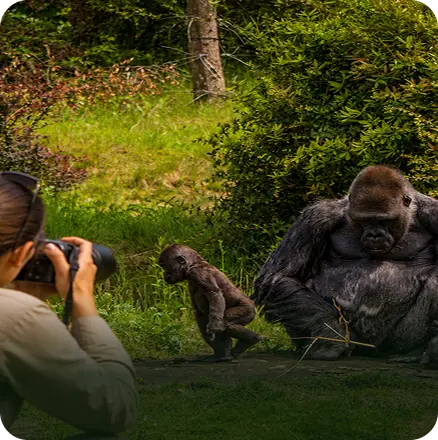
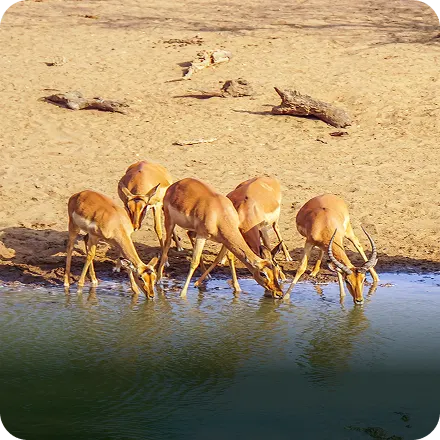
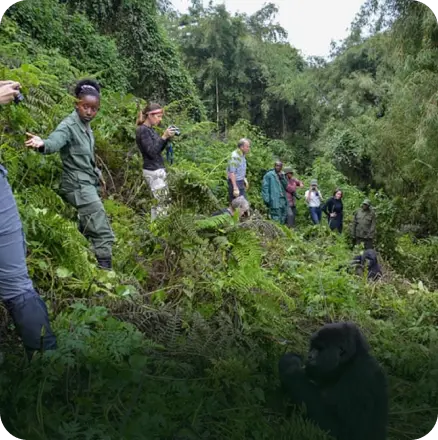
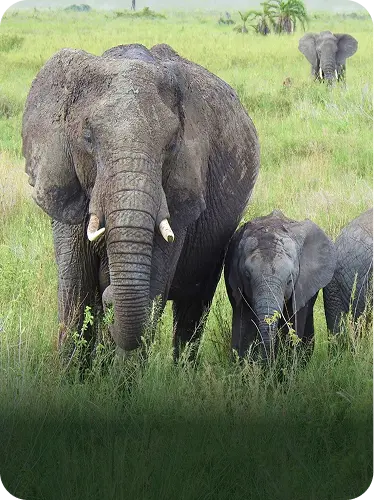
• Tanzania & Kenya: The primary dry season (July to October) offers the best game viewing around water sources and Great Migration river crossings in the Masai Mara / Serengeti. • Uganda: Dry periods from December to February and June to September provide ideal conditions for gorilla and chimpanzee trekking. • Namibia & Botswana: May to October delivers pleasant dry weather, abundant wildlife sightings, and high water levels in the Okavango Delta.
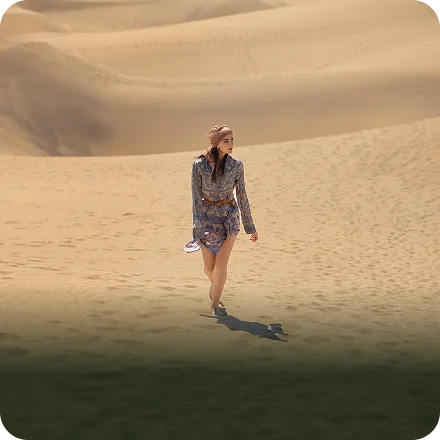
Spring (April to June) and Autumn (September to November) offer ideal temperatures for valley trekking and standard Toubkal ascents. For a true winter mountaineering experience using crampons, visit in Winter (December to March). Sahara Desert tours are best taken between October and April.
Fitness requirements vary by itinerary. Classic treks (EBC, Annapurna, Toubkal) require good cardiovascular endurance from regular hiking or running. Mount Kilimanjaro or Mt. Kenya ascents require strong stamina for consecutive long days of walking. Technical trekking peaks (Island Peak, Mera Peak, Lobuche, Ama Dablam) demand strength, endurance, and prior experience with crampons, ice axes, and fixed ropes.
Safety is our highest priority. Our itineraries adhere to strict acclimatization rules (“climb high, sleep low”). Our guides monitor blood oxygen saturation levels daily using pulse oximeters, and if severe altitude symptoms occur, an immediate accompanied descent is organized.
We recommend starting your training 3 to 6 months prior to departure. Focus on cardiovascular endurance (running, cycling) combined with weighted uphill walking or inclined treadmill walking carrying a loaded backpack.
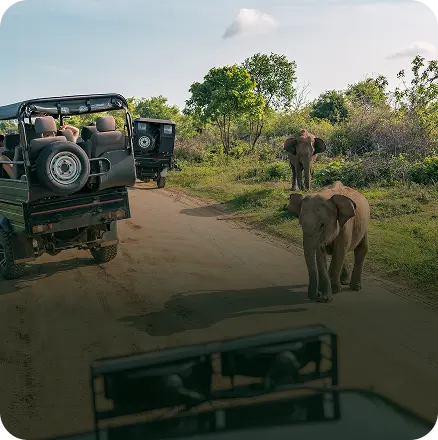
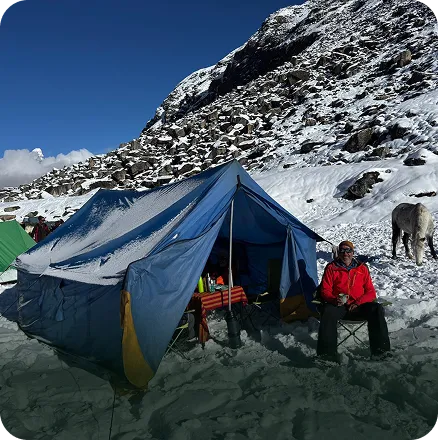
In Nepal, we stay in family-run teahouses during classical treks and set up private tented base camps with dedicated cooks for climbing peaks. On safari, we use customized 4x4 Land Cruisers with pop-up roofs for game viewing, paired with comfortable lodges or authentic tented camps. In Morocco, we combine traditional riads with mountain guesthouses.
Yes! Upon booking confirmation, you will receive a comprehensive, destination-specific Gear List tailored to your itinerary and season, complete with recommendations on trusted technical gear brands.
Most destinations (Tanzania, Kenya, Nepal, Uganda) offer online e-Visas or visas on arrival. Certain African countries require Yellow Fever vaccination. Tipping mountain guides, porters, and safari drivers is a standard part of local travel culture, and we provide clear tipping guidelines prior to your trip.
START YOUR JOURNEY
Send Message